Beyond Silicon: Why Qualcomm’s New Wearable Platform Isn't a Magic Bullet
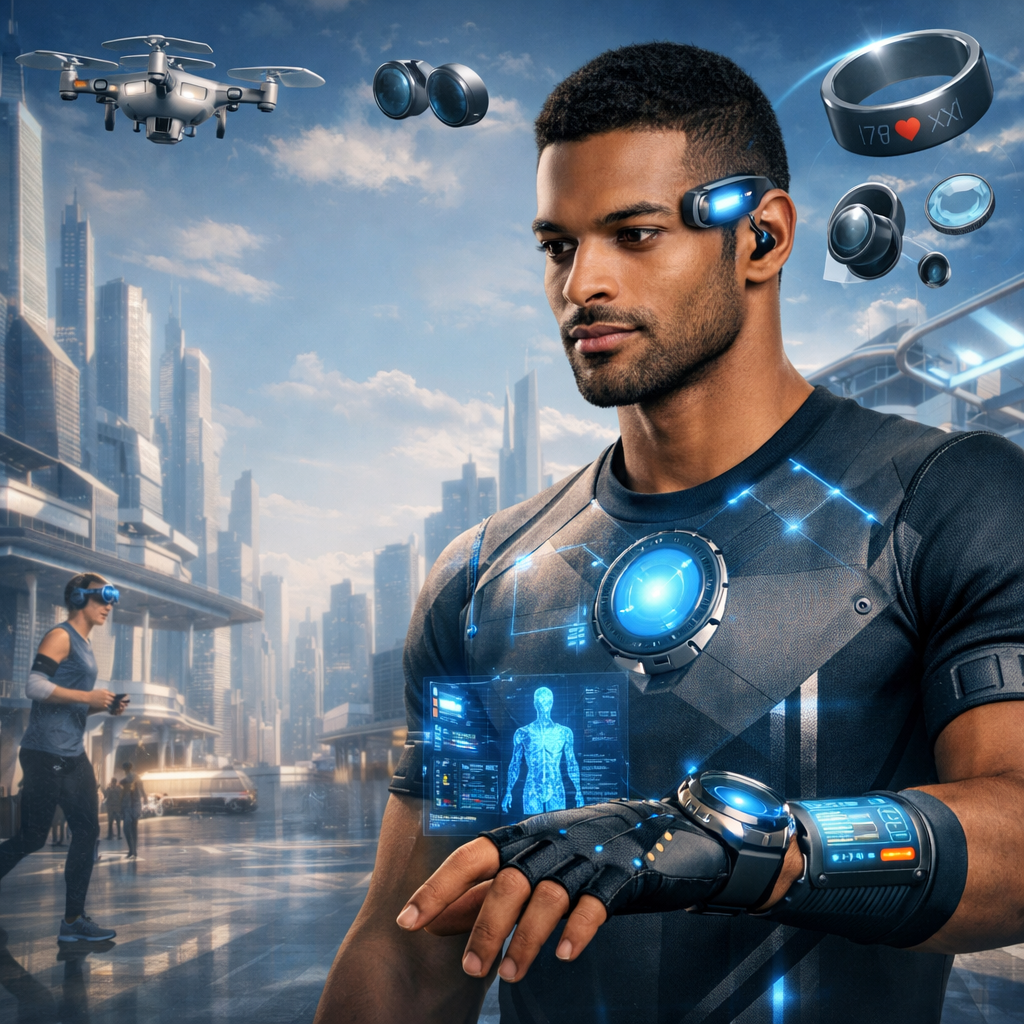
Modern wearables are evolving rapidly, but the path to mainstream dominance is paved with more than just processing power. Qualcomm recently launched the Snapdragon Wear Elite platform, a cutting-edge processor aimed at embedding sophisticated AI capabilities directly into the devices we wear.
For years, wearable tech has been held back by the 'triad of limitations': heat, battery drain, and sluggish performance. By utilizing a 3-nanometer architecture, Qualcomm’s new platform promises a leap in efficiency, allowing advanced AI workloads to run locally rather than tethering to the cloud. The inclusion of a dedicated neural processing unit (NPU) and support for 5G RedCap, Bluetooth 6.0, and satellite messaging marks a significant technical milestone. Yet, the true measure of success lies not in the silicon, but in how manufacturers choose to deploy it.
The Promise of On-Device Intelligence
The potential here is immense. By localizing AI, devices can slash latency and operate independently of a smartphone. Imagine a smartwatch that doesn't just record heart rate, but intelligently cross-references biometric and environmental data to determine if a notification is truly urgent or a mere distraction.
Enhanced positioning could revolutionize urban navigation, while UWB (Ultra-wideband) support might finally replace physical car keys with reliable digital ones. From body-worn cameras in industrial safety to standalone navigation, the hardware foundation is stronger than ever. But will consumers actually embrace it? You can read more about how these hardware constraints affect overall performance in our guide on the Global Memory Chip Shortage.
The Graveyard of Great Engineering
The tech graveyard is filled with devices that boasted incredible specs but failed to resonate with real people. IBM’s early smartphone attempts were marvels of engineering but were too cumbersome for daily use. Dell’s forays into portable audio and mobile devices suffered from 'spec-chasing'—trying to beat rivals on numbers while neglecting the software experience. Microsoft’s Zune is the ultimate cautionary tale: it had the resources, but it focused on restrictive DRM and complex sharing features when users just wanted a simple music player. For more on these industry trends, visit the official Qualcomm Press Center.
Why Wearables Still Struggle
Today’s wearable manufacturers are risking the same fate. They often focus on the 'what'—adding sensors and wireless standards—rather than the 'how'—the ownership experience.
- Aesthetics Over Utility: Unlike a phone, a wearable is a fashion statement. If a device looks like lab equipment, most users won't wear it, no matter how powerful the AI.
- Complexity Fatigue: If features are hidden behind convoluted menus, they don't exist for the average user.
- The Stability Gap: If a wearable requires constant troubleshooting to sync with a phone or cloud, it ceases to be a tool and becomes a chore. The best technology is invisible; it works without demanding your attention.
The Apple Blueprint
If Qualcomm's partners—like Samsung, Motorola, and Google—want to succeed, they should study Apple. Apple rarely wins the 'spec war' at launch. Instead, it prioritizes ease of use and long-term polish. The original Apple Watch wasn't a perfect product, but the company listened, iterated, and pivoted toward health and convenience until it became the market standard. They understood that the experience is the product.
Product of the Week: VibeLens MusicCam
In a world where pulling out a phone can turn a calm moment into a confrontation, discreet video documentation is becoming valuable. That is where the VibeLens MusicCam headset shines. It doesn't try to replace your smartphone; it complements it. By combining an open-ear wireless headset with a POV camera, it solves a real-world problem without adding bulk.
Its open-ear design keeps you aware of your surroundings, and its compatibility with your existing prescription glasses makes it feel like an accessory rather than a mandatory piece of tech. It’s a perfect example of a device that solves a functional need through smart design rather than just adding more processing power.
Conclusion
Qualcomm has done its part by building a more capable foundation. But a faster chip cannot fix bad design or a fragmented ecosystem. If manufacturers want wearables to finally realize their potential, they must move past the specs and focus on creating products that are simple, beautiful, and reliable. The tech is ready; now it’s time to make it human.